
Wisdom Teeth Removal: Signs You Need Surgery
Learn the warning signs that your wisdom teeth need removal and what to expect from the extraction process at Keene Family Dentistry.
Schedule EvaluationUnderstanding Wisdom Teeth Problems
Wisdom teeth, or third molars, are the last teeth to develop and typically emerge between ages 17-25. While some people's wisdom teeth grow in properly without issues, many experience problems requiring extraction. At Keene Family Dentistry, we help patients throughout Keene, Burleson, Alvarado, and Cleburne determine when wisdom teeth removal is necessary.
Most modern jaws don't have sufficient space for wisdom teeth, leading to impaction, misalignment, infections, and damage to adjacent teeth. Recognizing the warning signs early allows for timely treatment before complications develop, making extraction easier and recovery smoother.
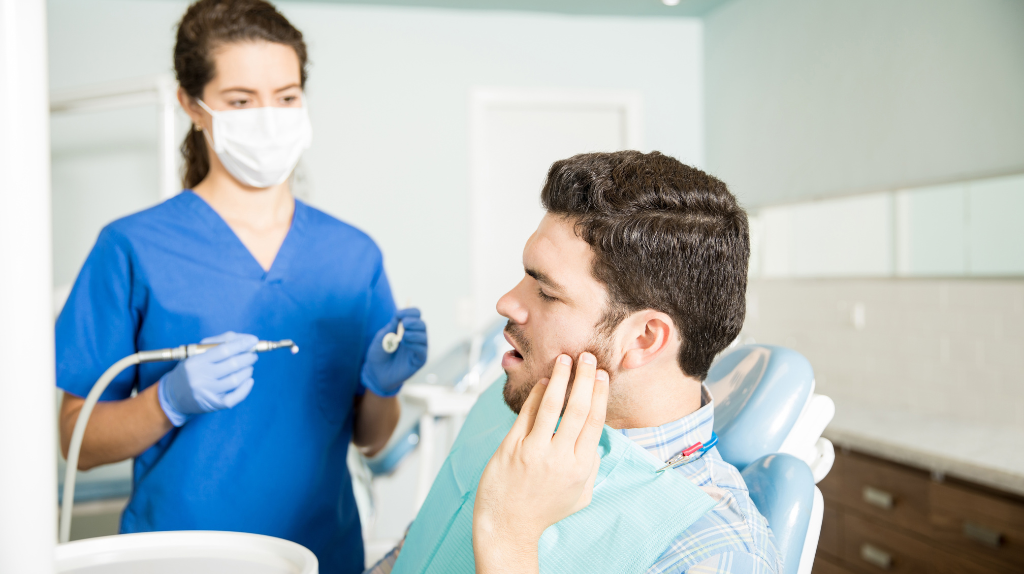
Common Signs You Need Wisdom Teeth Removal
Several symptoms indicate your wisdom teeth may require extraction. While not everyone experiences all these signs, any persistent symptoms warrant professional evaluation:
Pain in Back of Mouth
Persistent aching, throbbing, or sharp pain in the back corners of your jaw, especially when chewing or opening your mouth wide.
Swollen, Red Gums
Inflamed gum tissue around partially erupted wisdom teeth, often tender to touch and may bleed when brushing.
Jaw Stiffness
Difficulty opening your mouth fully or experiencing jaw stiffness and soreness, particularly in the morning.
Bad Breath
Persistent bad breath or unpleasant taste that doesn't improve with brushing, indicating bacterial buildup around wisdom teeth.
Crowding or Shifting
Teeth that were previously straight becoming crowded or misaligned as wisdom teeth push against them.
Repeated Infections
Recurring infections in the gum tissue around wisdom teeth, causing pain, swelling, and difficulty swallowing.
Types of Wisdom Tooth Impaction
Understanding how wisdom teeth become impacted helps explain why removal is often necessary:
Soft Tissue Impaction: The wisdom tooth has erupted through the bone but remains partially covered by gum tissue. This creates a pocket where food and bacteria accumulate, leading to infection and inflammation. Soft tissue impaction is the most common type and often causes recurring infections.
Partial Bony Impaction: Part of the tooth crown remains embedded in the jawbone while another part breaks through the gum. These teeth are particularly prone to decay and infection because they're difficult to clean properly.
Complete Bony Impaction: The wisdom tooth is entirely encased in jawbone and hasn't erupted through the gum at all. While these may not cause immediate symptoms, they can develop cysts or damage adjacent teeth over time.
Horizontal Impaction: The wisdom tooth grows sideways, pushing directly into the roots of the second molar. This is among the most problematic impaction types, often causing significant pain and damage to neighboring teeth.
⚠️ When to Seek Immediate Care
Seek emergency dental attention if you experience severe, throbbing pain that doesn't respond to over-the-counter medication, facial swelling affecting your eye or neck, difficulty swallowing or breathing, fever above 101°F, or pus discharge from around wisdom teeth. These symptoms may indicate serious infection requiring urgent treatment.
Why Wisdom Teeth Cause Problems
Several factors make wisdom teeth problematic for many people:
Insufficient Jaw Space: Modern human jaws are typically smaller than our ancestors', leaving inadequate room for wisdom teeth to erupt properly. This evolutionary mismatch is why wisdom teeth problems are so common today.
Late Development: Wisdom teeth emerge when other teeth are already established, forcing them to compete for limited space. They often grow at awkward angles or remain trapped beneath gum tissue or bone.
Difficult Cleaning: Even when wisdom teeth emerge properly, their far-back position makes them extremely difficult to clean effectively. This leads to higher rates of decay and gum disease affecting both wisdom teeth and adjacent molars.
Gum Flap Infections: Partially erupted wisdom teeth create a gum flap (operculum) that traps food particles and bacteria. This leads to pericoronitis—a painful infection of the tissue surrounding the tooth.
Complications of Untreated Wisdom Teeth
Delaying necessary wisdom teeth removal can lead to serious complications:
- Damage to Adjacent Teeth: Impacted wisdom teeth push against second molars, causing root resorption, decay, or structural damage requiring additional dental work
- Cyst Formation: Impacted wisdom teeth can develop fluid-filled sacs (cysts) that damage surrounding bone and teeth. Large cysts may require extensive surgery to remove
- Chronic Infections: Repeated infections weaken your immune system and can spread to other areas of your head and neck, potentially becoming serious health threats
- Orthodontic Relapse: Wisdom teeth pressure can undo years of orthodontic treatment, causing teeth that were straightened with braces or clear aligners to shift back out of alignment
- Jaw Damage: Impacted wisdom teeth can weaken the jawbone, making it more susceptible to fracture
- Sinus Problems: Upper wisdom teeth roots sometimes extend into sinus cavities, and problems with these teeth can cause sinus pain, pressure, and congestion
The Wisdom Teeth Evaluation Process
Determining whether you need wisdom teeth removal involves comprehensive evaluation:
Clinical Examination: We visually examine your mouth, checking for signs of eruption, inflammation, and crowding. We assess your jaw opening, check for tenderness, and look for signs of infection or cyst formation.
X-Ray Analysis: Panoramic X-rays show the position, angulation, and development of wisdom teeth. These images reveal impaction type, proximity to nerves and sinuses, root formation, and potential complications. Our digital imaging technology provides detailed views helping us plan the safest extraction approach.
Symptom Discussion: We discuss any pain, swelling, or other symptoms you're experiencing. This helps us understand the urgency and plan appropriate timing for extraction.
Age Considerations: Younger patients (late teens to early twenties) generally experience easier wisdom teeth removal with faster healing. Roots aren't fully formed yet, making extraction simpler, and younger bone is less dense and heals more quickly.
When Wisdom Teeth Don't Need Removal
Not all wisdom teeth require extraction. Your wisdom teeth may be fine if they're:
- Fully erupted through the gum
- Growing in proper alignment with adequate space
- Healthy without decay or gum disease
- Positioned where you can clean them effectively during daily brushing and flossing
- Functioning properly with opposing teeth for effective chewing
However, even wisdom teeth that initially seem problem-free require ongoing monitoring. Regular dental examinations and X-rays help us detect developing issues before they become serious.
The Wisdom Teeth Removal Procedure
Understanding the extraction process reduces anxiety about treatment. Here's what happens during wisdom teeth removal at Keene Family Dentistry:
- Anesthesia and Sedation: We offer multiple comfort options including local anesthesia for simple extractions, nitrous oxide for anxious patients, and referral to oral surgeons for deep sedation when multiple impacted teeth require removal.
- Accessing the Tooth: For erupted teeth, we loosen the tooth with dental instruments. For impacted teeth, we make a small incision in the gum and may need to remove some bone covering the tooth.
- Tooth Sectioning: Large or impacted wisdom teeth are often divided into smaller sections for easier removal, reducing trauma to surrounding tissues.
- Extraction: We carefully extract the tooth or tooth sections using specialized instruments designed to minimize force on surrounding structures.
- Socket Cleaning: We thoroughly clean the extraction site, removing any debris or infection.
- Stitches (if needed): Surgical extractions may require dissolvable stitches to close the gum tissue and promote proper healing.
- Gauze Placement: We place gauze over the extraction site to control bleeding and promote clot formation.
Simple erupted wisdom teeth may take only 15-20 minutes to extract, while impacted teeth can require 45 minutes or longer depending on complexity.
Recovery and Healing Timeline
Knowing what to expect during recovery helps you prepare and recognize normal healing versus complications:
First 24 Hours: Expect moderate bleeding, swelling, and discomfort. Keep gauze in place as directed, use ice packs for 20-minute intervals, take prescribed medications, and stick to soft, cool foods. Avoid rinsing, spitting, or using straws, which can dislodge blood clots.
Days 2-3: Swelling typically peaks around day three. Continue ice therapy, begin gentle salt water rinses after 24 hours, and gradually expand your diet to include soft, non-chewy foods. Some bruising may appear on your jaw or neck—this is normal.
Days 4-7: Swelling begins subsiding, and discomfort significantly decreases. You can usually return to most normal activities, though avoid strenuous exercise. Continue soft foods and careful cleaning around extraction sites.
Weeks 2-4: Sockets continue healing beneath the gum surface. Most people resume completely normal eating and activities. Follow-up appointments ensure proper healing and address any concerns.
Complete Healing: The extraction sites fully heal over 3-4 months as bone fills in the sockets. You won't notice this process, but it's why we recommend waiting several months before placing dental implants if needed in adjacent areas.
Recovery Tips for Faster Healing
Following post-extraction instructions carefully promotes smooth healing and prevents complications. Rest adequately (especially the first 48 hours), keep your head elevated when lying down to reduce swelling, apply ice packs during the first 24-48 hours, take medications as prescribed, eat soft nutritious foods, stay hydrated, avoid smoking and alcohol, and attend all follow-up appointments.
Preventing Dry Socket
Dry socket (alveolar osteitis) is the most common complication after wisdom teeth removal, occurring when the blood clot dislodges or dissolves prematurely. This leaves the bone and nerves exposed, causing severe pain typically starting 3-4 days after extraction.
Prevent dry socket by avoiding straws, spitting, and smoking for at least one week, not rinsing vigorously in the first 24 hours, eating soft foods that don't require aggressive chewing, following all post-operative instructions carefully, and keeping the mouth clean without disturbing extraction sites. Symptoms of dry socket include severe pain not responding to medication, visible bone in the socket, bad breath, and unpleasant taste. Contact us immediately if you suspect dry socket—treatment provides rapid relief.
Cost Considerations
Wisdom teeth removal costs vary based on several factors including impaction complexity (simple erupted teeth cost less than surgically impacted teeth), number of teeth extracted (removing all four costs less per tooth than single extractions), anesthesia type chosen, and your insurance coverage. Many dental insurance plans cover a significant portion of wisdom teeth removal as it's considered necessary rather than elective.
We provide detailed cost estimates during your consultation and offer flexible payment options to make necessary treatment accessible. Delaying needed wisdom teeth removal often increases eventual costs as complications develop requiring more extensive treatment.
Age and Wisdom Teeth Removal
While wisdom teeth typically emerge in late teens and early twenties, the ideal extraction age varies by individual circumstances:
Teenage Years (16-19): Often the ideal time for removal even before symptoms develop. Roots aren't fully formed, making extraction easier and recovery faster. Younger bone is less dense and heals more quickly. Many orthodontists recommend removal before or immediately after braces to prevent shifting.
Early Twenties (20-25): Still an excellent time for wisdom teeth removal. Healing remains quick, though roots are more developed than in teenage years. This is when many people first experience wisdom teeth symptoms.
Late Twenties and Beyond: Wisdom teeth removal is more challenging as roots are fully formed and bone is denser. Recovery takes longer and complication risks increase slightly. However, problematic wisdom teeth should still be removed regardless of age to prevent ongoing damage and infection.
Wisdom Teeth and Orthodontics
If you've had orthodontic treatment or are considering clear aligners or Six Month Smiles, wisdom teeth deserve extra attention. Erupting wisdom teeth can push against your carefully aligned teeth, causing them to shift and potentially undoing orthodontic results.
Many orthodontists recommend wisdom teeth removal before or shortly after completing orthodontic treatment to prevent relapse. If you're currently in orthodontic treatment, we coordinate with your orthodontist to determine optimal timing for wisdom teeth evaluation and potential extraction.
Why Choose Keene Family Dentistry
When you need wisdom teeth evaluation or removal, our practice offers:
- Comprehensive Evaluation: We use advanced digital X-rays and clinical examination to assess your wisdom teeth accurately
- Comfortable Extractions: Multiple sedation options ensure your comfort during the procedure
- Experienced Team: Our dentists have extensive training in tooth extractions and surgical techniques
- Clear Communication: We explain your situation, treatment options, and what to expect throughout the process
- Emergency Care Available: If you're experiencing severe wisdom teeth pain or infection, our emergency services provide prompt relief
- Family-Friendly Approach: We help teenagers and young adults feel comfortable during their first major dental procedure
Serving families throughout Keene, Burleson, Alvarado, and Cleburne, we're committed to making wisdom teeth removal as smooth and comfortable as possible.
Wisdom Teeth Removal FAQs
At what age should wisdom teeth be removed?
Most dentists recommend evaluating wisdom teeth in the late teenage years (16-19) even before symptoms develop. This is often the ideal time for removal because roots aren't fully formed, making extraction easier and recovery faster. However, wisdom teeth can be safely removed at any age if they're causing problems. Older patients may experience slightly longer recovery, but problematic wisdom teeth should still be extracted to prevent complications regardless of age.
How painful is wisdom teeth removal?
During the procedure, you won't feel pain thanks to anesthesia and sedation options. Post-procedure discomfort varies by person and complexity of extraction but is typically manageable with prescribed or over-the-counter pain medication. Most patients describe the first 2-3 days as moderately uncomfortable rather than severely painful. Swelling and jaw stiffness are often more bothersome than pain. Following post-operative instructions carefully significantly reduces discomfort and promotes faster healing.
How long is recovery from wisdom teeth removal?
Initial recovery takes about one week, during which you'll experience decreasing swelling and discomfort. Most people return to normal activities within 3-5 days, though you should avoid strenuous exercise for a full week. The extraction sites continue healing beneath the surface for 3-4 months as bone fills in the sockets. Your diet can gradually return to normal over 1-2 weeks as comfort allows. Young, healthy patients typically recover faster than older adults.
Can I go to work or school after wisdom teeth removal?
Plan to take at least 1-3 days off work or school after wisdom teeth removal. The exact time depends on your job type (sedentary versus physical), number of teeth extracted, extraction complexity, and your individual healing. If your work is desk-based and you're not experiencing significant swelling or taking narcotic pain medication, you might return after 1-2 days. Physical jobs or those requiring extensive talking may need 3-5 days off. Students should avoid important exams or presentations during the first week of recovery.
What can I eat after wisdom teeth removal?
Stick to soft, cool foods for the first few days: yogurt, smoothies (no straws!), pudding, mashed potatoes, eggs, ice cream, and protein shakes. Avoid hot foods initially as they can dislodge clots. After 2-3 days, gradually add soft foods like pasta, tender fish, and well-cooked vegetables. Avoid crunchy, chewy, spicy, or hard foods for at least one week. Seeds and small particles that could lodge in extraction sites should be avoided for two weeks. Stay well-hydrated but avoid alcohol and carbonated beverages initially.
Will wisdom teeth removal change my face shape?
No, wisdom teeth removal does not permanently change your face shape. Temporary swelling during the first week may make your face appear fuller or rounder, but this completely resolves as healing progresses. The bone loss that occurs where wisdom teeth are removed is minimal and doesn't affect facial structure or appearance. Social media claims about wisdom teeth removal causing facial collapse or significant appearance changes are not supported by scientific evidence.
Is it better to remove all wisdom teeth at once?
Removing all four wisdom teeth in one appointment is often recommended when all require extraction. Benefits include single recovery period, one anesthesia session, and preventing future problems with remaining wisdom teeth. You can eat on both sides once healed rather than dealing with staged recovery periods. However, some patients prefer removing one side at a time (upper and lower on same side) to maintain ability to chew on the other side during recovery. We'll discuss which approach best suits your situation, comfort level, and schedule.
What happens if I don't remove my wisdom teeth?
If your wisdom teeth aren't causing problems and are positioned properly with adequate space, they may not need removal. However, problematic wisdom teeth that aren't removed typically get worse over time. Potential consequences include recurring infections, damage to adjacent teeth, cyst formation, orthodontic relapse causing tooth crowding, jaw pain, and eventual emergency extraction under less-than-ideal conditions. Many dentists recommend proactive removal in late teens or early twenties when recovery is easiest, rather than waiting for problems to develop.
Can wisdom teeth grow back after removal?
No, wisdom teeth cannot grow back once properly removed. In extremely rare cases (occurring in less than 0.01% of people), extra wisdom teeth called supernumerary teeth may exist and could erupt years after the original wisdom teeth were extracted. However, this is exceptionally uncommon. Once your dentist removes your wisdom teeth including the roots, those specific teeth are permanently gone. If you experience problems in the wisdom teeth area years after extraction, it's typically related to other dental issues, not regrowth.
Does insurance cover wisdom teeth removal?
Most dental insurance plans cover a significant portion of medically necessary wisdom teeth removal, typically 50-80% after you meet your deductible. The exact coverage depends on your specific plan, whether teeth are impacted, and your age (some plans have age limits). Wisdom teeth removal is usually classified as oral surgery rather than preventive care, which affects coverage levels. We verify your insurance benefits and provide cost estimates during your consultation. Even without insurance, we offer payment plans to make necessary treatment affordable.
Experiencing Wisdom Teeth Pain?
Schedule an evaluation at Keene Family Dentistry. We'll assess your wisdom teeth, discuss your options, and create a comfortable treatment plan.
Book Your Appointment