

So — Are Veneers Worth It?
The short answer: dental veneers are worth it for adults who want a long-lasting, dramatic improvement to a healthy smile — and who understand that veneers are a permanent commitment that may need replacement every 10 to 20 years.
For the right candidate, veneers can fix multiple cosmetic issues in just a few visits — stained teeth, chips, uneven edges, small gaps, and worn enamel. For the wrong candidate, they can lead to disappointment, sensitivity, or extra cost down the road.
The rest of this guide breaks down exactly who veneers are right for, what to expect, and what to ask before you commit.
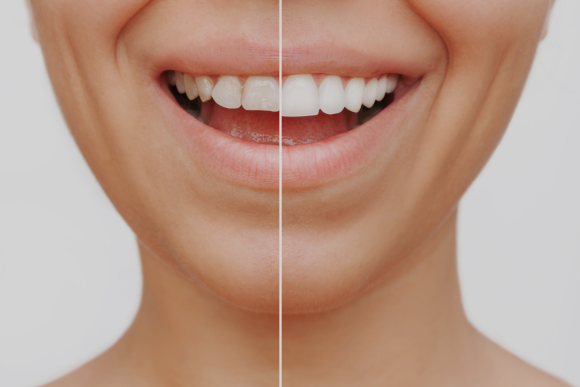
A Quick Refresher: What Veneers Actually Do
Veneers are thin, custom-made shells — usually porcelain — that bond to the front surface of your teeth. They're designed to change the appearance of your smile, not the underlying structure or alignment.
Veneers can address several cosmetic issues at the same time:
- Stains and discoloration that whitening doesn't fully fix
- Chipped, worn, or slightly cracked front teeth
- Small gaps between teeth
- Teeth that look uneven, short, or misshapen
- Mildly crooked teeth (when alignment isn't the main issue)
If you want to see all the options, you can learn more about our porcelain veneers and prep-less veneers.
The Honest Pros and Cons of Veneers
Every cosmetic treatment has trade-offs. Here's what to actually expect on both sides.
Pros
- Dramatic, immediate results. Most patients see the final result in 2–3 visits over a few weeks.
- Multiple issues, one treatment. Color, shape, chips, and small gaps — addressed together.
- Stain-resistant. Porcelain doesn't pick up stains from coffee, wine, or tea the way enamel does.
- Long-lasting. Porcelain veneers typically last 10–20 years with good care.
- Natural look. Well-made veneers match your face, smile line, and surrounding teeth.
- Confidence boost. Many patients say the bigger return isn't cosmetic — it's how they feel in photos, at work, and in conversation.
Cons
- Mostly irreversible. Traditional veneers require removing a thin layer of enamel — that's permanent.
- They'll need replacement eventually. Even well-cared-for veneers don't last forever.
- Possible sensitivity. Some patients notice temporary sensitivity to hot or cold after placement.
- Not repairable. If a veneer chips or cracks, it usually needs to be replaced rather than fixed.
- Cosmetic, not insured. Most dental insurance plans don't cover veneers — they're considered elective.
- Not for everyone. Heavy grinding, untreated decay, or gum disease can disqualify you (more on that below).
Who Veneers Actually Work For
Veneers tend to make the most sense for adults who have healthy teeth and gums but want to improve the look of their smile. You're likely a good candidate if:
- You're an adult with stable oral health
- Your main concerns are cosmetic — stains, chips, shape, small gaps
- You don't have untreated decay or gum disease
- You don't grind your teeth heavily (or you're willing to wear a night guard)
- You have realistic expectations about the result
- You're prepared for the long-term maintenance commitment

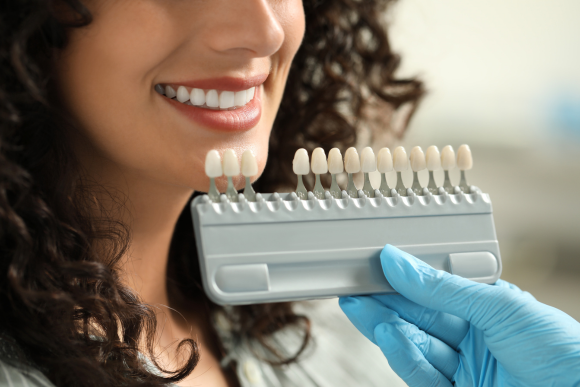
When Veneers Are Not the Right Call
Just as important — knowing when to wait or choose something else. Veneers may not be worth it if:
- You grind or clench your teeth heavily without managing it
- You have active gum disease or untreated cavities
- Your main issue is crowding, bite problems, or significant misalignment — orthodontics like clear aligners or Six Month Smiles would solve the actual problem
- You only have one or two small imperfections that bonding could fix more conservatively
- Your teeth would respond well to professional whitening alone
- You're not ready to commit to the long-term maintenance
A good cosmetic dentist will tell you when veneers aren't the right fit — and what would be.
How Long Do Veneers Actually Last?
Porcelain veneers: typically 10 to 20 years with good care. Some patients get even longer out of them.
Composite veneers: typically 4 to 8 years. Less expensive upfront, but they don't hold their polish or stain resistance as long.
To get the most out of your veneers:
- Brush and floss daily, just like you would with natural teeth
- Wear a night guard if you grind your teeth
- Don't use your teeth as tools (opening packages, biting nails, chewing ice)
- Keep up with regular cleanings and exams every 6 months
- Address chips or issues early — small problems get bigger fast
What to Ask at Your Veneer Consultation
A good consultation should leave you with clarity, not pressure. Come prepared with these questions:
- Would veneers actually fix my specific concerns — or would another treatment work better?
- How many veneers do I really need for a balanced result?
- Do you recommend porcelain or prep-less veneers in my case, and why?
- How much enamel will need to be removed?
- What's the expected lifespan based on my habits?
- Do I need a night guard to protect my investment?
- Can I see before-and-after photos of similar cases?
- What financing options are available?
At Keene Family Dentistry, we walk through every one of these questions with you before recommending treatment. We also offer flexible financing options so cosmetic care can fit into your monthly budget.
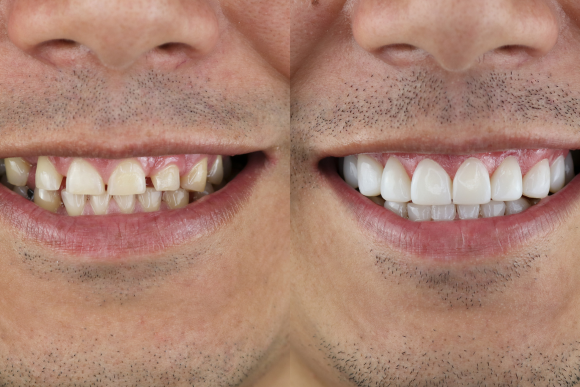
Veneer FAQs
The questions we hear most often from patients considering veneers in Keene, Cleburne, Burleson, and Alvarado.
How much do dental veneers cost in Keene, TX? +
Veneer costs vary based on the material, the number of teeth being treated, and the complexity of your case. Because every smile is different, we provide a clear written estimate at your consultation — so you'll know exactly what to expect before any treatment begins. We also offer flexible financing through our patient financing options to make cosmetic care more accessible.
Are veneers permanent? +
Traditional porcelain veneers are considered a permanent decision because a small amount of enamel is removed during preparation. Once that enamel is gone, it doesn't grow back — so you'll always need some form of restoration on those teeth. Prep-less veneers require little to no enamel removal and are a more conservative option for the right candidate.
Will veneers look fake? +
High-quality veneers shouldn't look fake. The "too white, too perfect" look usually comes from choosing an unrealistic shade or working with a dentist who isn't experienced in cosmetic case design. Well-made veneers include subtle natural variations and are matched to your face, lips, and surrounding teeth so the final result looks like your smile — just healthier and more polished.
Does insurance cover veneers? +
Most dental insurance plans don't cover veneers because they're classified as cosmetic. However, if part of the treatment is restorative — for example, repairing a damaged tooth — your insurance may cover that portion. We'll verify your benefits and walk you through what's covered before treatment begins.
How many veneers do I need? +
It depends on your smile and your goals. Some patients only need one or two veneers to fix a chipped or discolored tooth. Others want a full smile makeover with 6 to 10 veneers across the upper front teeth. We'll evaluate your "smile zone" — the teeth visible when you smile and talk — and recommend the smallest number needed for a balanced result.
What's the difference between veneers and crowns? +
Veneers cover only the front of the tooth and are mainly cosmetic. Dental crowns cover the entire tooth and are typically used when a tooth is significantly damaged, decayed, or has had a root canal. Crowns are more about restoring strength and function; veneers are about appearance.
Can I get veneers if I grind my teeth? +
Yes — but with extra protection. Heavy grinding (bruxism) can chip or wear out veneers faster, so we typically recommend a custom night guard to protect your investment. We'll evaluate your grinding pattern during your consultation and let you know honestly whether veneers are a smart choice for you or whether we should address the grinding first.
Curious if Veneers Are Right for You?
The best way to find out is a no-pressure consultation. We'll look at your smile, listen to your goals, and tell you honestly whether veneers are the right fit — or whether something else would serve you better.