

What Counts as a Dental Emergency?
A dental emergency is any oral injury or condition involving severe pain, uncontrolled bleeding, infection, or a knocked-out tooth that requires immediate treatment to prevent long-term damage, infection spread, or serious complications.
If you're not sure whether what you're experiencing is an emergency, ask yourself:
- Is the pain severe or getting worse fast?
- Is there uncontrolled bleeding from the mouth?
- Did a tooth get knocked out or feel loose?
- Is there visible swelling in the face, jaw, or gums?
- Are you running a fever along with mouth pain?
- Has dental work (crown, filling, bridge) broken or fallen out?
If you answered yes to any of these, call us immediately at (817) 765-9957. The sooner we see you, the better your chances of saving the tooth and avoiding more invasive treatment.
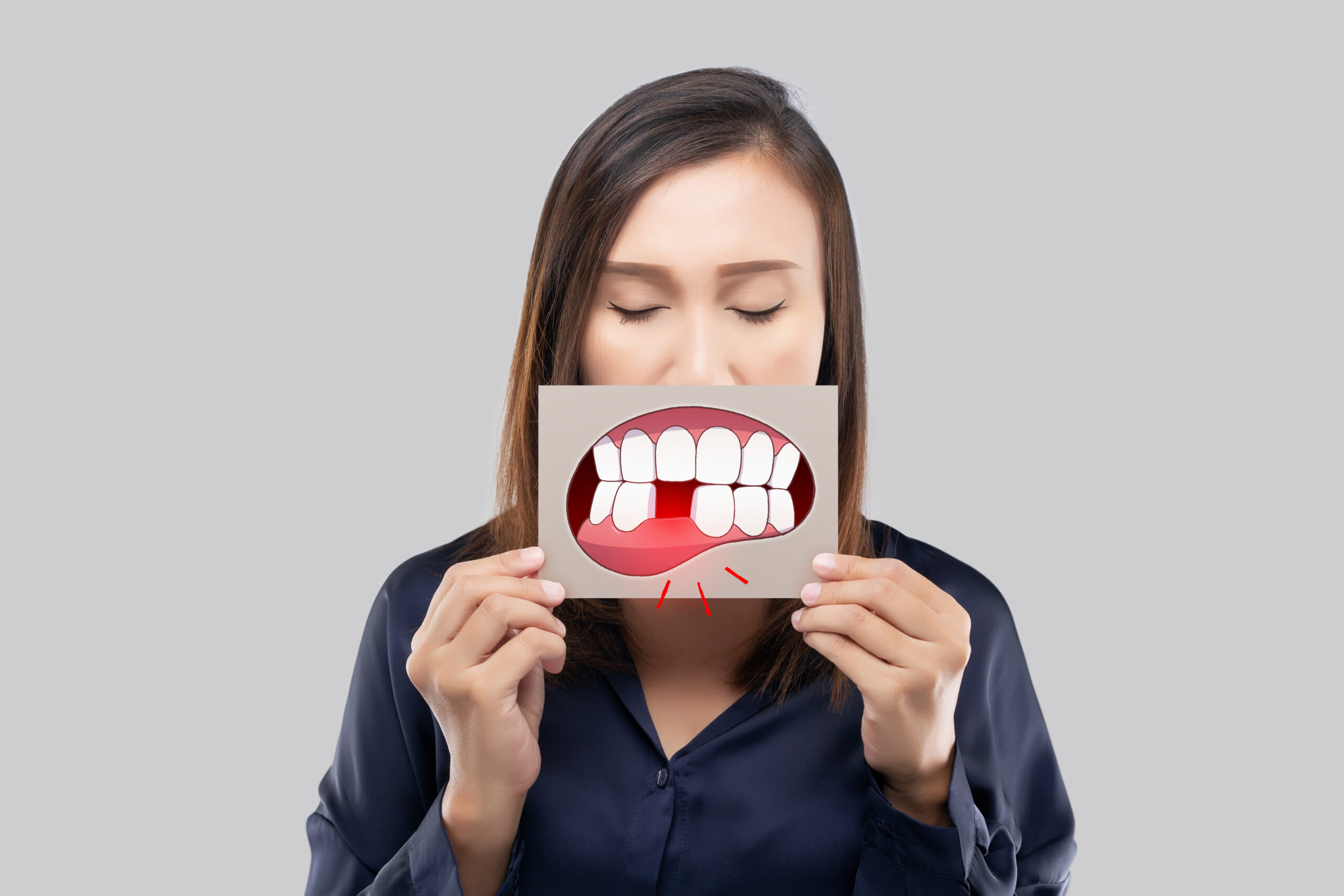
The 6 Most Common Dental Emergencies — and What to Do
Follow these steps while you're on your way to our office. In every case, your first move should be to call us at (817) 765-9957 so we can prepare for your arrival.
1. Knocked-Out Tooth (Avulsed Tooth)
Time matters — you have about 30 to 60 minutes to save the tooth. Quick action gives the best chance of successful re-implantation.
- Pick the tooth up by the crown (the top) — never touch the root
- Rinse it gently with water if it's dirty — do not scrub or use soap
- If possible, try to slide the tooth back into the socket and hold it in place by gently biting on a clean cloth
- If you can't re-insert it, place the tooth in a small container of milk or hold it inside your cheek
- Get to our office immediately — call ahead so we're ready
Do not store the tooth in tap water. Tap water damages the root cells and reduces the chance of successful re-implantation.
2. Severe Toothache or Persistent Pain
Sudden, intense, or throbbing tooth pain often signals a deep cavity, infection, or nerve damage. Don't ignore it — pain doesn't go away on its own.
- Rinse your mouth with warm salt water (1 tsp salt in 8 oz warm water)
- Floss gently around the painful tooth to remove any trapped food
- Take an over-the-counter pain reliever like ibuprofen as directed on the label
- Apply a cold compress to the outside of your cheek for 15–20 minutes
- Avoid hot, cold, or sugary foods until you see us
Never place aspirin directly on the tooth or gums — it can burn the soft tissue. We may recommend root canal therapy to save the tooth depending on the cause.
3. Abscessed Tooth or Dental Infection
A dental abscess is one of the most serious emergencies — it can spread quickly to the jaw, neck, and bloodstream if left untreated. Look for these red flags:
- A pimple-like bump on the gums near a painful tooth
- Swelling in the face, jaw, or neck
- Fever, chills, or general feeling of being unwell
- A bad taste in the mouth or persistent bad breath
- Difficulty swallowing or opening your mouth
If you have facial swelling, fever, or trouble breathing or swallowing, this is a medical emergency. Call us immediately, or go to the nearest emergency room.
Don't wait — call our Keene office now.
Call (817) 765-99574. Broken, Chipped, or Cracked Tooth
A cracked or broken tooth exposes the inner tooth to bacteria and infection. Even if it doesn't hurt right away, you need to be seen quickly.
- Save any broken pieces and bring them with you to your appointment
- Rinse your mouth with warm water
- If there's bleeding, apply gauze with gentle pressure for about 10 minutes
- Apply a cold compress to the outside of your cheek to reduce swelling
- Eat only soft foods and avoid chewing on the affected side
Depending on the damage, treatment may include bonding, a same-day crown, or, in severe cases, extraction and replacement.
5. Lost Filling or Broken Crown
When a filling falls out or a crown breaks, the tooth underneath is left vulnerable to decay, fracture, and pain. Get in to see us as soon as possible.
- If the crown is intact, you can temporarily reattach it with dental cement from any drugstore — never with regular glue
- Avoid chewing on that side of your mouth
- Save the crown or filling and bring it to your appointment
- Keep the area clean by gently brushing and rinsing with warm salt water
6. Soft Tissue Injuries (Lip, Tongue, Cheek)
Cuts, tears, or puncture wounds to the lips, tongue, gums, or inner cheek can bleed heavily and become infected.
- Rinse your mouth gently with mild salt water
- Apply firm but gentle pressure with a clean gauze pad or tea bag for 15 minutes
- Use a cold compress on the outside to reduce swelling and slow bleeding
- If bleeding doesn't stop after 15 minutes of pressure, go to the emergency room
What's Not a Dental Emergency?
Not every dental issue is an emergency. The following can usually wait for a regular appointment — though you should still get them addressed soon to prevent bigger problems:
- Mild tooth sensitivity to hot, cold, or sweets
- A small chip with no pain
- A loose crown or filling with no pain
- Mild gum irritation or occasional bleeding when flossing
- A dull, occasional ache that comes and goes
When in doubt, call us. We'll help you decide whether to come in today or schedule a routine visit. Catching small issues early through regular preventive and family dental care is the best way to avoid emergencies altogether.
Emergency Dental Care You Can Count On
At Keene Family Dentistry, we know dental emergencies are stressful — and we treat every patient like family from the moment you call. Our team is trained to handle a full range of urgent dental issues, often in a single same-day visit.
- Same-day emergency appointments whenever possible
- Same-day crowns with CEREC technology — no temporaries, no second trip
- Gentle, judgment-free care for patients of all ages
- Convenient location serving Keene, Cleburne, Burleson, and Alvarado
- Honest pricing with clear treatment plans before any work begins
Dental Emergency FAQs
Answers to the most common questions we hear from emergency patients across Keene, Cleburne, Burleson, and Alvarado.
What stops tooth pain immediately? +
For fast, short-term relief: rinse with warm salt water, apply a cold compress to the outside of your cheek, and take an over-the-counter pain reliever like ibuprofen as directed. These steps reduce inflammation while you wait for your appointment, but they don't fix the underlying problem — only your dentist can do that. Call us as soon as possible.
Should I go to the ER or the dentist for a dental emergency? +
For most dental emergencies — knocked-out teeth, broken teeth, severe toothaches, lost crowns or fillings — call your dentist first. Emergency rooms typically can't perform dental work; they can only manage pain and prescribe antibiotics. However, go straight to the ER if you have uncontrolled bleeding, trouble breathing or swallowing, a broken jaw, or major facial trauma.
How do I know if a tooth infection is spreading? +
Warning signs that a tooth infection is spreading include: increasing facial or jaw swelling, fever or chills, difficulty swallowing or opening your mouth, swelling under the tongue, swollen lymph nodes in your neck, rapid heart rate, or general weakness. These are serious symptoms — call us immediately or go to the emergency room. Untreated dental infections can become life-threatening.
Can a knocked-out tooth be saved? +
Often, yes — but time is critical. The best chance for saving a knocked-out tooth is within the first 30 minutes. Pick the tooth up by the crown, rinse gently with water (never scrub), try to place it back in the socket if possible, or store it in milk. Get to our office immediately. If re-implantation isn't possible, we can discuss options like a dental implant or bridge.
Do you see emergency patients without an existing appointment? +
Yes — we welcome new emergency patients from Keene, Cleburne, Burleson, Alvarado, and the surrounding areas. Call us at (817) 765-9957 and we'll do our best to see you the same day. New patients are always welcome, and we'll get any necessary paperwork handled quickly so you can be treated as fast as possible.
Does dental insurance cover emergency visits? +
Most dental insurance plans cover at least part of emergency visits and treatments. We'll verify your benefits quickly and explain all costs before any work begins. For patients without insurance, we offer flexible financing options — visit our financial options page for details. Cost should never stop you from getting urgent care.
How can I prevent a dental emergency? +
Most dental emergencies can be prevented with regular checkups, daily brushing and flossing, and wearing a mouthguard during sports. Don't use your teeth to open packages, avoid chewing on ice or very hard foods, and address small issues — a chip, mild sensitivity, or loose filling — before they turn into bigger problems. Schedule a routine cleaning and exam twice a year.
Dental Emergency? Call Us Now.
Every minute counts in a dental emergency. Our Keene team is ready to help you — and patients across Cleburne, Burleson, and Alvarado — get out of pain and back to your day.